AI-powered strategy game development
Design & build
strategy games
Create turn-based and tactical strategy games with deep decision-making, resource management, and intelligent opponents. Tesana handles grid systems, AI logic, and economy balancing so you can focus on strategic depth.
What makes a great strategy game
The best strategy games create a sandbox of decisions where every choice carries weight. These fundamentals separate deep strategy from simple clicking.
Meaningful decisions at every turn
Great strategy games present players with interesting choices where multiple paths are viable. When every decision involves trade-offs, gameplay stays engaging.
Balanced resource economy
Gold, mana, food, influence — whatever your resources, the economy needs to create tension between short-term spending and long-term investment.
Tech trees & progression
Research paths and upgrade systems give players long-term strategy goals and create divergent play styles within the same game.
AI that challenges and adapts
Computer opponents that pursue coherent strategies, adapt to player tactics, and provide escalating difficulty keep the game challenging.
How to make strategy games with Tesana
Describe your vision and Tesana builds the systems, mechanics, and content. Iterate in real time until your game is exactly what you imagined.
Build grid-based maps and tactical battlefields
Describe your map layout — hex grids, square tiles, or region-based territories — and Tesana generates the terrain, fog of war, movement costs, and strategic chokepoints. Create maps that demand real tactical thinking.
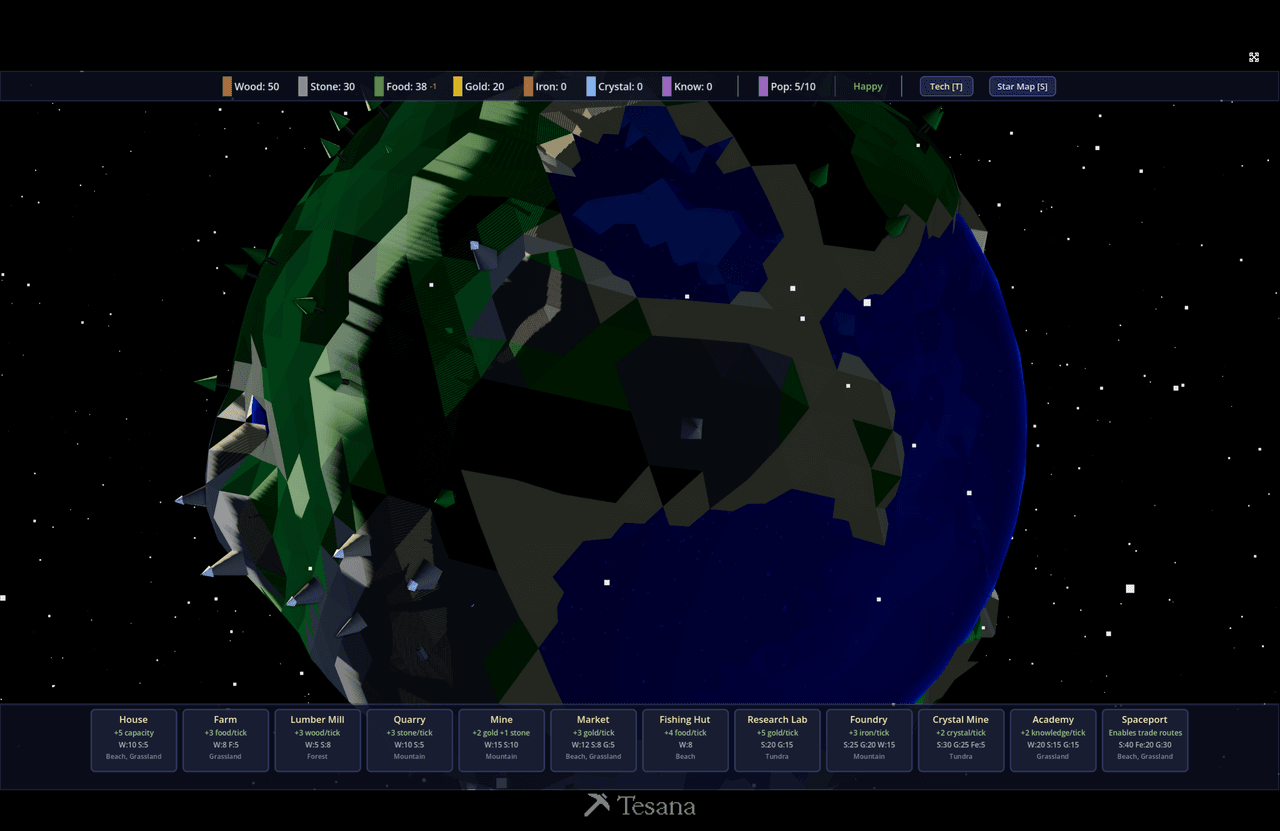
Design units, factions, and tech trees
Create unit rosters with distinct strengths, weaknesses, and upgrade paths. Build faction identities with unique units and abilities. Tesana generates the stat systems, tech trees, and balance frameworks that make strategy games deep.
Set up resource management and economy
Build production chains, trade systems, and resource nodes by describing your economic model. Tesana generates gathering mechanics, building costs, upkeep systems, and the economic tensions that drive strategic decision-making.
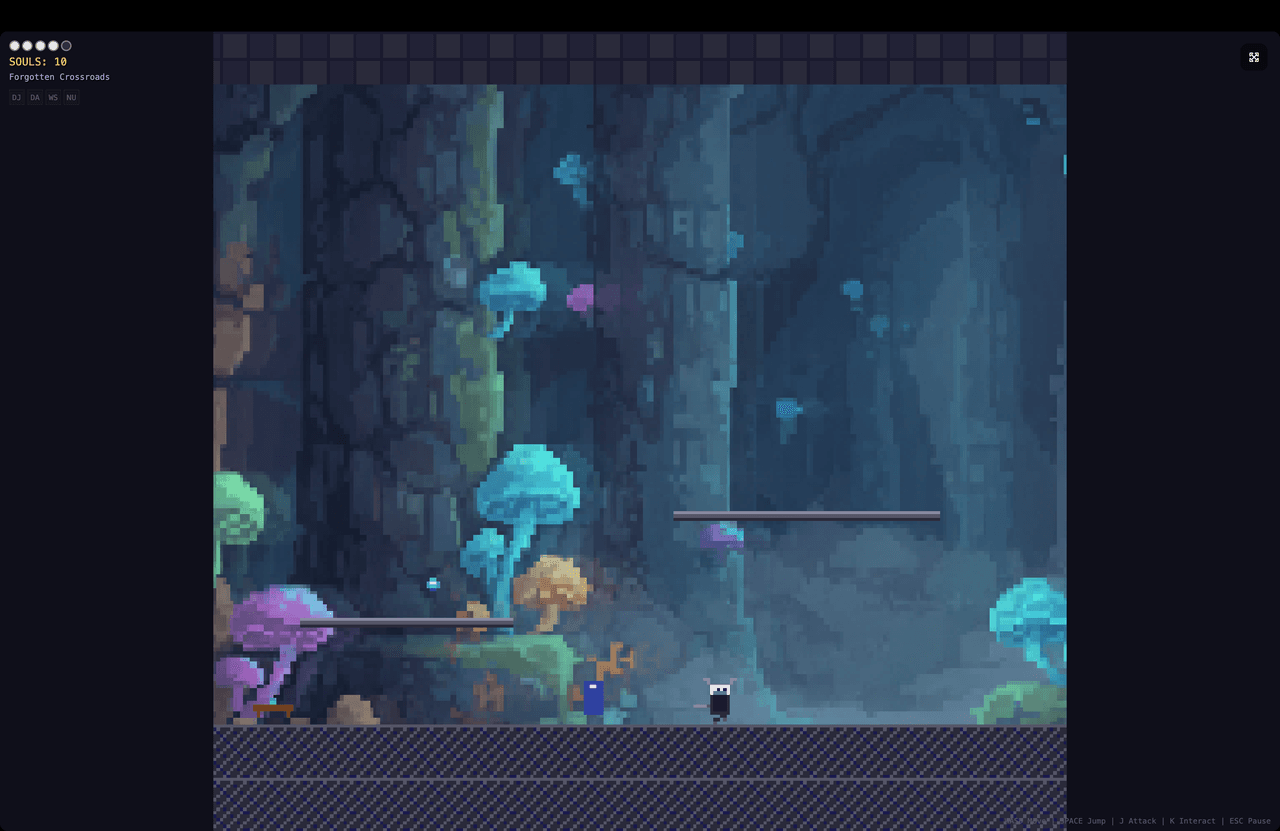
Create AI opponents with real strategies
Build computer opponents that expand territory, develop economies, and respond to threats. Describe the strategic personality you want — aggressive, defensive, economic — and Tesana generates the decision-making logic.
Tips for building your first strategy game
Whether you are designing a 4X epic or a tactical puzzler, these design principles will help you create deeper gameplay.
Start with the core decision loop
Identify the fundamental choice players make each turn. Build and test that loop until it is interesting before adding complexity.
Limit starting resources
Scarcity creates interesting decisions. When players cannot do everything, they must prioritize — and that is where strategy lives.
Balance through asymmetry
Give factions different strengths rather than equal stats. Asymmetric design creates more interesting matchups and replayability.
Make information a resource
Fog of war, scouting, and intelligence gathering add a layer of strategy that pure combat mechanics cannot provide.
Test with paper prototypes
Strategy mechanics can be tested on paper before any code is written. If the game is fun with cards and dice, it will be fun on screen.
Watch players lose
The best feedback comes from watching someone lose your game. If they blame the game rather than their decisions, the design needs adjustment.
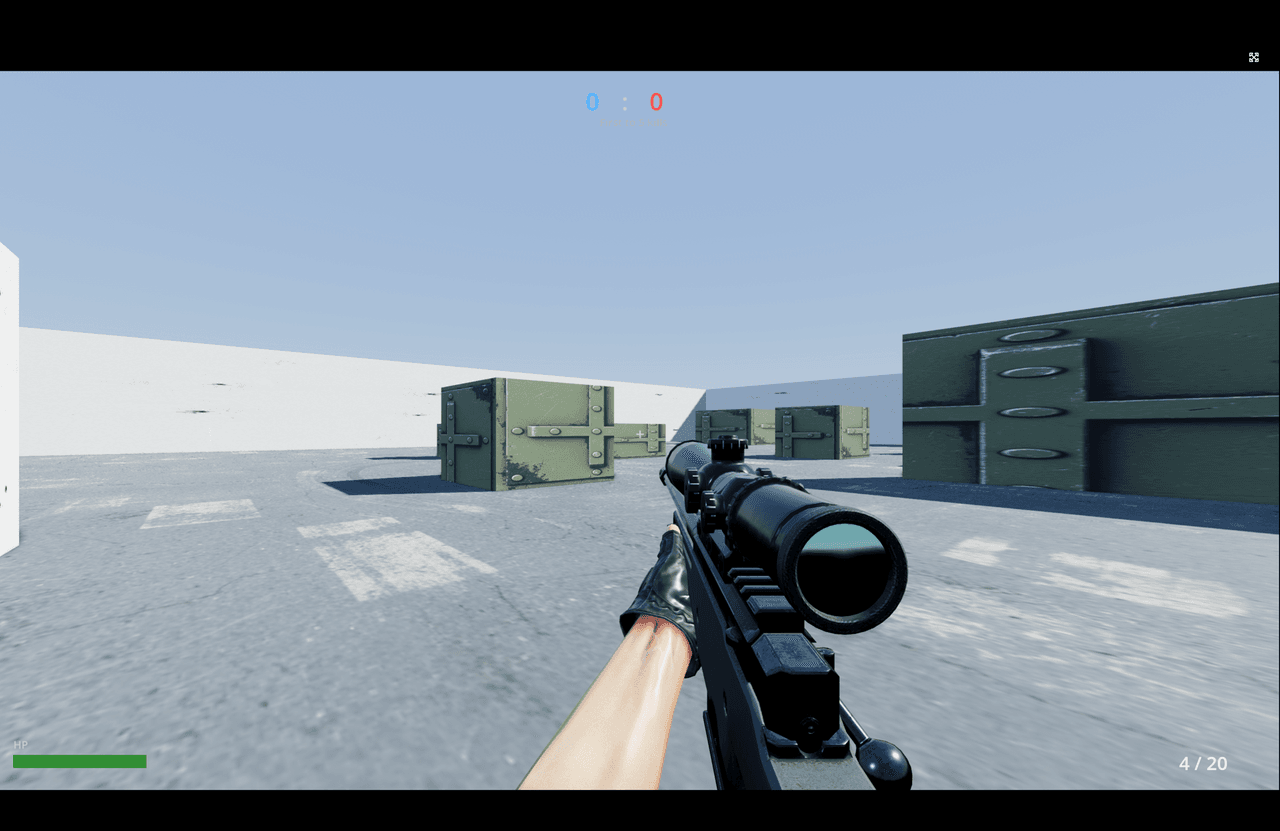
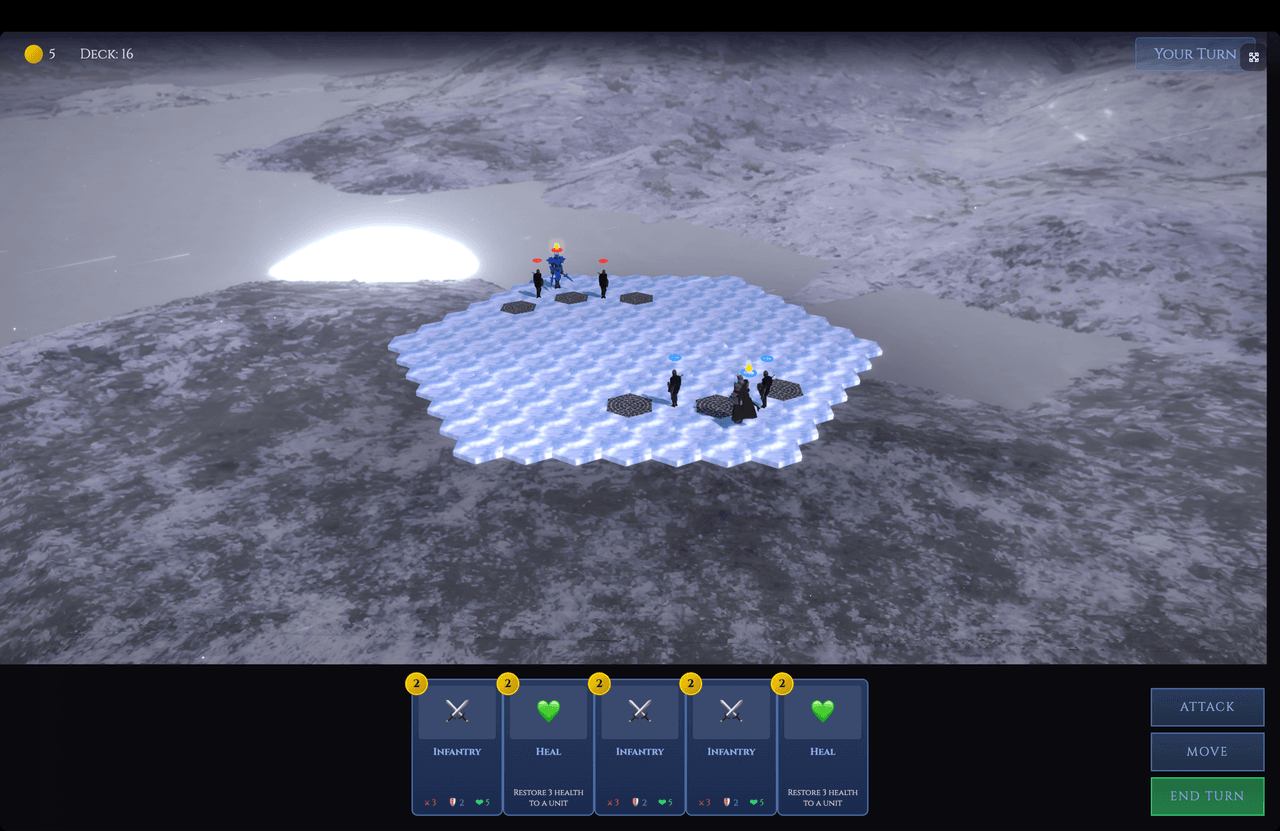
Strategy Games made with Tesana
See what creators are building. Every game here was made by describing a vision and letting Tesana handle the rest.
Explore other genres
Tesana helps you build any type of game. Explore guides for other genres and start creating.
Ready to build your strategy game?
Go from game design document to playable strategy prototype in days.